Commercial Boiler Maintenance: A Complete Guide to Preventive Care
The first cold snap tends to expose every shortcut taken on a boiler since spring. A low-water cutoff that hasn’t been tested in months. A lead boiler carrying the whole building while the lag unit sits idle. A log with blank pages where last season’s entries should be. For facility managers at hotels, park district buildings, condo associations, and government offices, those gaps turn into no-heat calls, failed inspections, and difficult conversations with ownership.
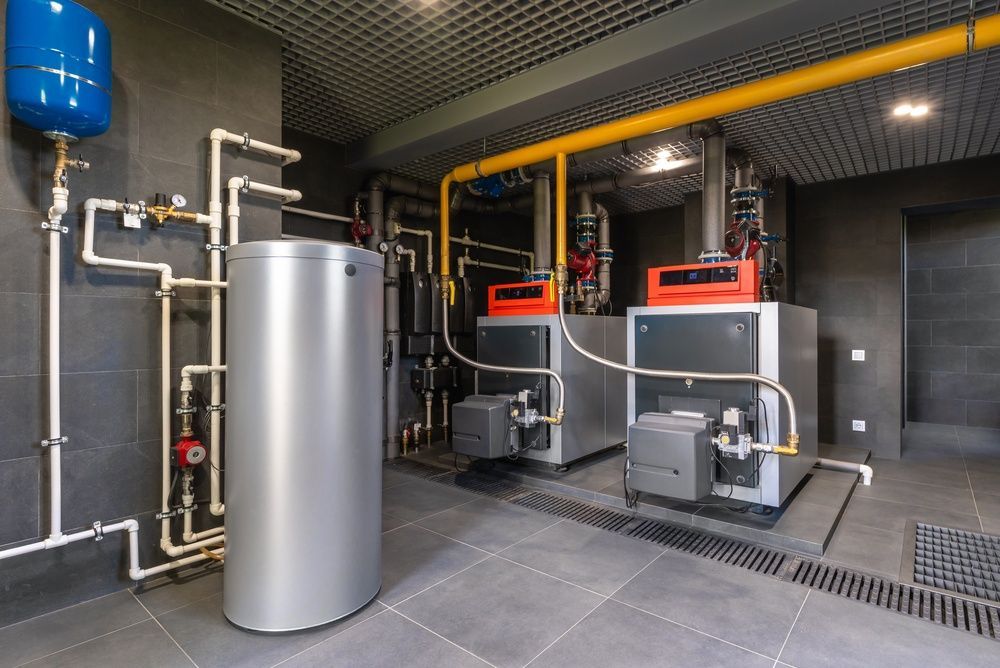
Preventive commercial boiler maintenance comes down to three questions: which checks belong to the in-house team, which belong to a qualified technician, and how Illinois inspection rules fit around both.
Commercial Boiler Maintenance Checklist
A useful checklist sorts every task by who performs it and how often. The intervals below are common starting points, and the manufacturer’s manual and the boiler’s inspector set the final schedule for each unit.
Routine Maintenance Checks for Facility Teams
Daily and weekly checks center on observation and logging, and building staff can handle most of them without special tools.
- Recording operating pressure, temperature, and gauge glass water level
- Watching for leaks, soot, odors, or unusual noises around the burner and flue
- Performing blowdown and low-water cutoff tests at the manufacturer’s recommended frequency
- Confirming the lead boiler rotates as programmed in multi-boiler plants
- Logging every reading and test with the date and initials
Burner adjustments, control settings, and repairs stay off this list. When a reading drifts or something looks wrong, staff should record it and call a technician.
Seasonal and Annual Maintenance for Qualified Technicians
Qualified technicians handle the work that calls for specialized tools, training, or a boiler shutdown. Most of it happens during seasonal or annual visits:
- Combustion analysis and burner tuning, documented as-found and as-left
- Fireside cleaning and waterside inspection for scale and corrosion
- Testing relief valves, flame safeguards, and operating and high-limit controls
- Servicing low-water cutoff probes or floats
- Reviewing water treatment results and correcting chemistry problems
- Verifying controls sequencing and building automation connections
A combustion printout taped to the boiler documents a test. Fuel savings come from the burner adjustments made after reading it.
Critical Boiler Safety Checks and Maintenance Records
Four devices stand between a boiler and a dangerous failure: the low-water cutoff, the pressure relief valve, the flame safeguard, and the high-limit control. Each one needs testing on a set schedule, and every test belongs in the log.
That log carries legal weight. Illinois rules direct owners to keep operation and maintenance records for each boiler, share them with inspectors on request, and retain them for at least three years.
Consistent records reveal trends. Climbing stack temperatures, repeated low-water trips, or a weeping relief valve can signal a developing problem months before a shutdown. Keeping technician reports, combustion readings, and water treatment results together gives inspectors and insurance carriers a clean history.
Fire-Tube, Water-Tube, and Multi-Boiler Maintenance
Fire-tube boilers send combustion gases through tubes surrounded by water. Soot inside those tubes cuts heat transfer, so routine service includes tube brushing and a shell check for scale.
Water-tube boilers carry water inside the tubes instead. They handle higher pressures but react sharply to poor water chemistry, since scale or oxygen pitting inside a tube can cause overheating.
In multi-boiler plants, lead-lag rotation decides which unit fires first and balances run hours. If rotation drifts or was never configured, one boiler absorbs most of the wear.
Building automation system (BAS) installation lets facility teams track sequencing, alarms, and run hours from one screen. Several units let one boiler come offline for service while the others carry the building.
Illinois Commercial Boiler Inspection Requirements
The Illinois Boiler and Pressure Vessel Safety Act sets inspection intervals by boiler type. Power boilers, the high-pressure units, receive internal and external inspections every year. Low-pressure steam, hot water heating, and hot water supply boilers are inspected every two years, a category that covers the typical heating plant in hotels, offices, retail spaces, and condo buildings. Pressure vessels follow a three-year cycle.
State inspectors or the boiler’s insurance carrier perform these inspections, though first inspections of new or used units go to a state inspector. Inside Chicago, the city’s Boiler Inspection Bureau is the inspecting authority, and repairs call for a City-licensed boiler repairer.
A two-year cycle is a safety floor. Scale, control drift, and burner wear accumulate between inspections, and regular service catches them early.

When to Schedule Pre-Season Service in Chicagoland
Across most of the Chicago area, the first freeze typically arrives in mid-October, earlier in outlying suburbs and later near the lake. Late August through September is the best window to book pre-season commercial heating services, before contractor calendars fill and the boiler carries a full load.
Facilities that missed that window benefit from a mid-season visit. A technician can run combustion analysis under real operating conditions, test safety controls, and confirm lead-lag rotation without a full teardown. Larger cleaning and internal work can wait for spring, when heating load drops, so the plant enters next fall already serviced.
Warning Signs Your Commercial Boiler Needs Service
Most boiler problems show symptoms well before a shutdown.
| Warning sign | What it often points to |
|---|---|
| Short cycling | An oversized boiler, control settings, or poor sequencing |
| Rising fuel bills with steady weather and occupancy | Soot, scale, or a burner out of tune |
| Banging or kettling | Scale buildup or restricted water flow |
| Low-water cutoff trips or relief valve discharge | Leaks, feedwater problems, or excess pressure |
| Yellow flame or soot at the flue | Incomplete combustion and possible carbon monoxide risk |
| Uneven heat and occupant complaints | Controls, balancing, or circulation problems |
Combustion and pressure symptoms warrant prompt commercial boiler repair.
What Belongs in a Commercial Boiler Service Plan
Plenty of facility managers have signed a service agreement and been let down: a new technician every visit, readings recorded with no adjustments, long waits when a burner fails. Those experiences are a good reason to read a plan’s scope closely before comparing prices. A strong plan sets visit frequency by boiler type, run hours, and the inspection cycle, with safety device testing and combustion tuning at each visit. It commits to written as-found and as-left readings, the same technicians on every visit, response times for no-heat calls, and records ready for state, city, and insurance inspectors.
Schedule Boiler Maintenance With 1 Source Mechanical
1 Source Mechanical keeps boiler plants inspection-ready for hotels, park districts, and government buildings from Sterling to Chicago. Getting started is simple: request a quote, review a written plan built around the equipment, and stay ahead of every inspection.
Schedule commercial boiler service for a winter without emergency calls.